
If you’re planning a remodel, you’re probably focused on the big decisions like layout changes, cabinetry, finishes, and how the space is going to function day-to-day.
But one thing a lot of homeowners don’t fully think about until later is how their pet actually lives in their home.
Whether you realize it or not, your pet already shapes your routine. Where you walk, where clutter builds up, and where messes happen. And if you’re already investing in a remodel, this is the moment to create a space that works better for both of you.
The good news is, pet-friendly design isn’t about adding more. It’s about designing smarter.
Here are the features worth planning from the start.
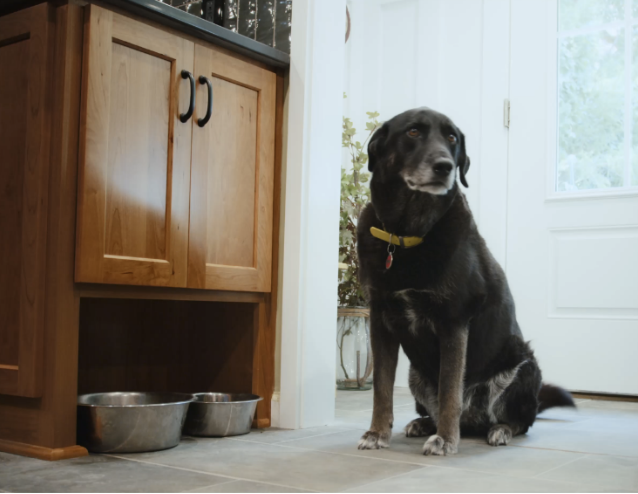
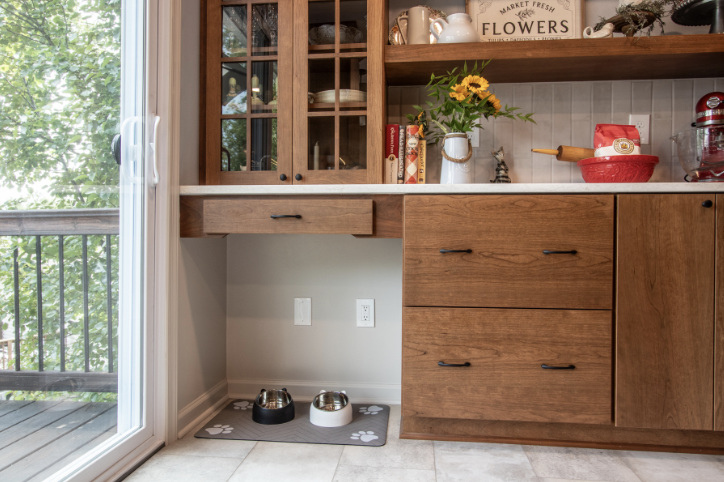
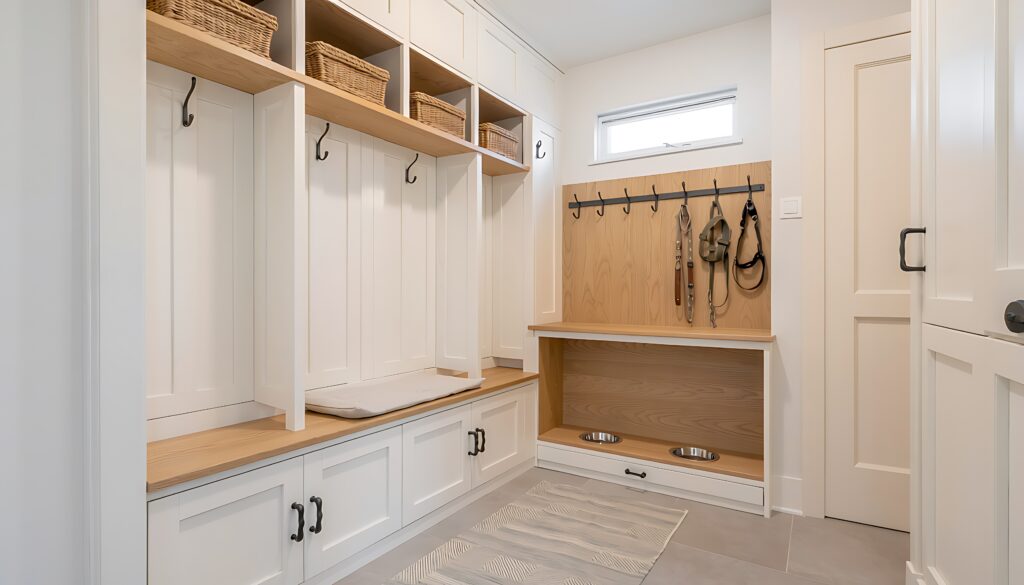
Pet bowls tend to end up wherever there’s space, which usually means somewhere inconvenient.
A built-in pet feeding station gives them a permanent, intentional home. Whether it’s tucked into your kitchen island, a cabinet run, or even a laundry room, it helps contain the mess and keeps everything organized.
Even better, you can pair it with storage for food and treats, so everything lives in one place.
It’s one of those small upgrades that quietly improve your routine every single day. Like most things, when you plan for this space in your design process, the result feels intentional.
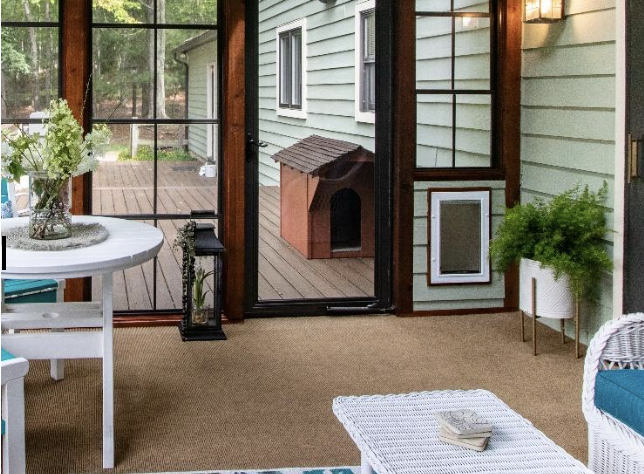
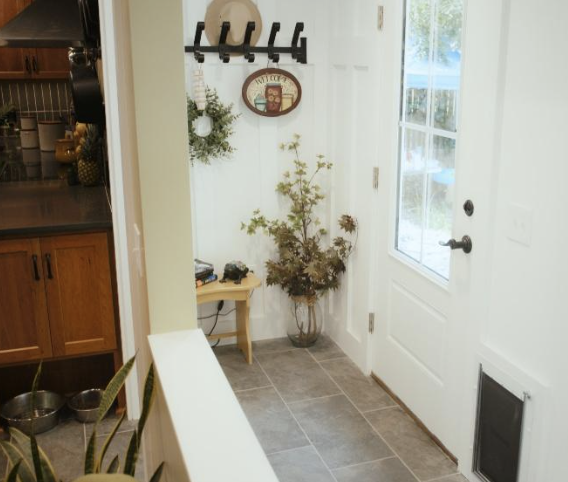
Doggie doors are one of the most requested features, and one of the most commonly added too late.
If you’re already changing doors, walls, or exterior access points, this is the time to plan for it properly. Today’s designs can be built directly into doors or tucked into side walls, so they don’t feel like an afterthought.
You can even opt for more secure versions that only open for your dog.
And once it’s there? Fewer interruptions, cleaner floors, and a much smoother daily flow.
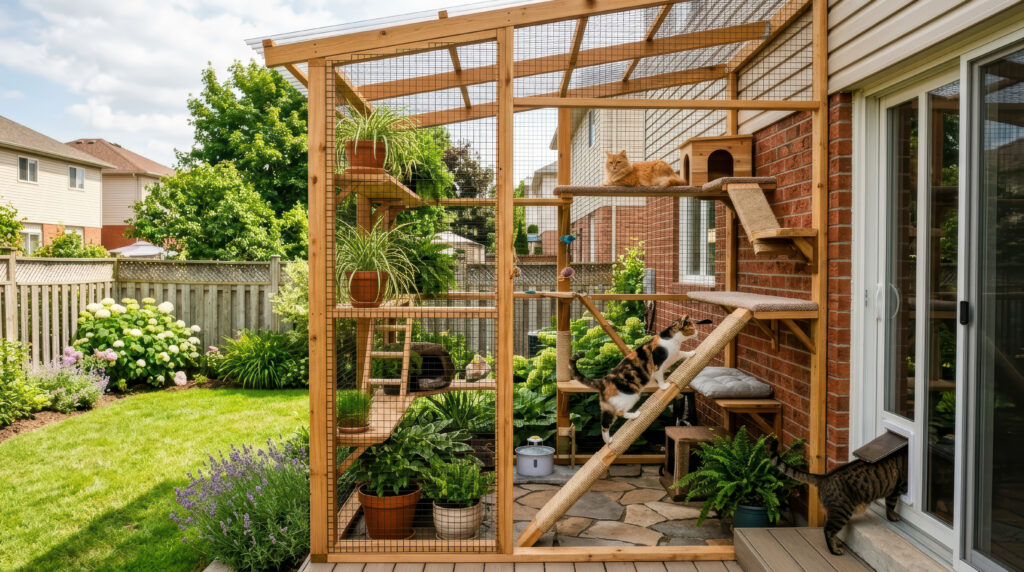
For cat owners, customized window access or a secure outdoor cat run can offer freedom without sacrificing safety.
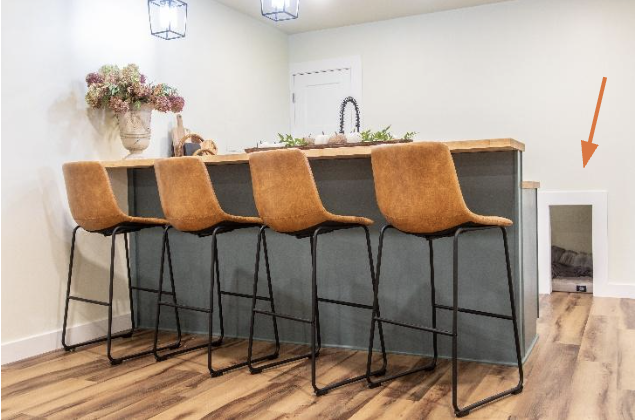
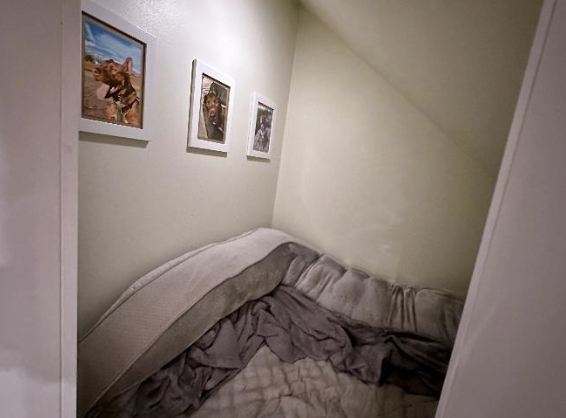
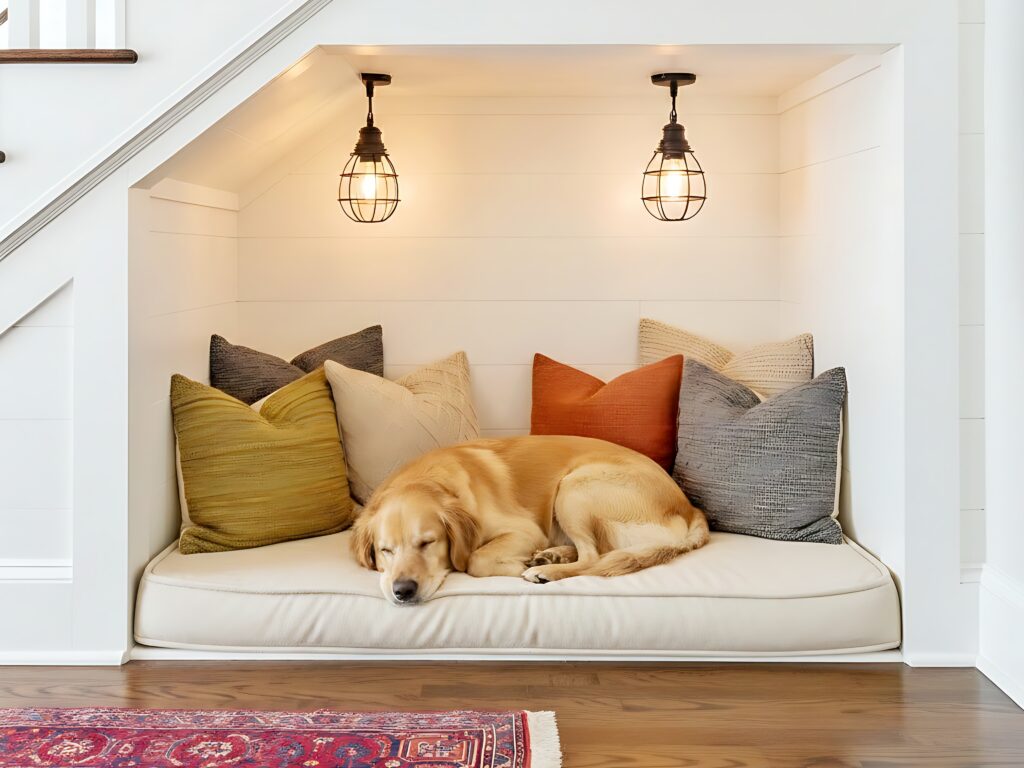
Understairs space is often wasted or turned into a storage catch-all, but it can actually become one of the most thoughtful features in your home.
A built-in pet nook gives your pet a quiet, tucked-away place to retreat, while also eliminating the need for beds scattered around the house. Done right, it blends into your cabinetry or trim and feels like part of the design, and not an afterthought.
It’s a simple shift, but it makes your space feel more intentional.
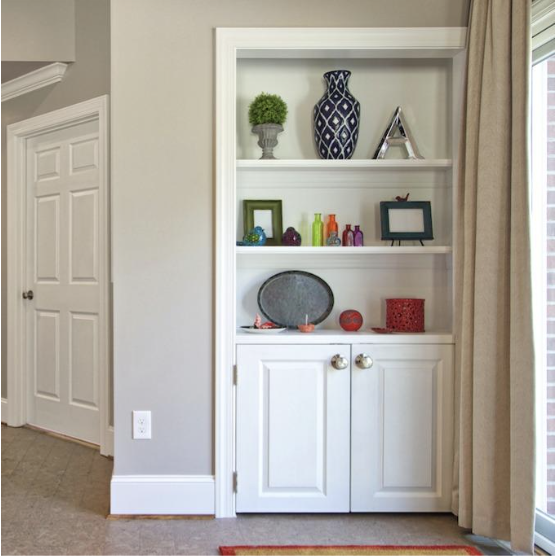
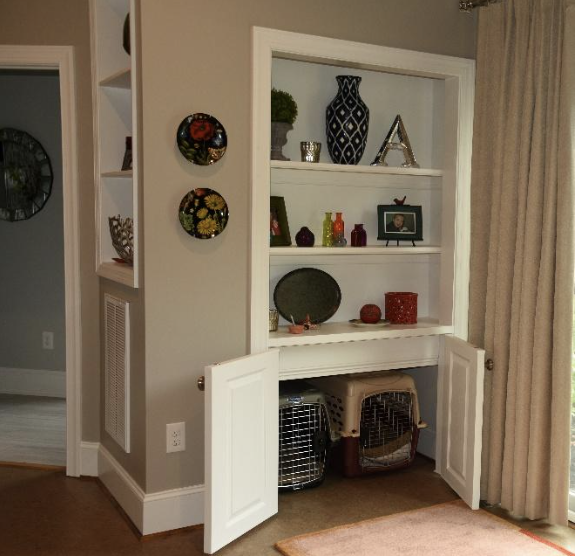
Crates are useful, but they’re rarely part of the design vision.
By incorporating them into cabinetry, whether in a kitchen island, mudroom, or living room built-in, you keep the function while eliminating the visual clutter.
This is one of the upgrades homeowners are happiest they made, because it solves something that would otherwise be a constant eyesore.
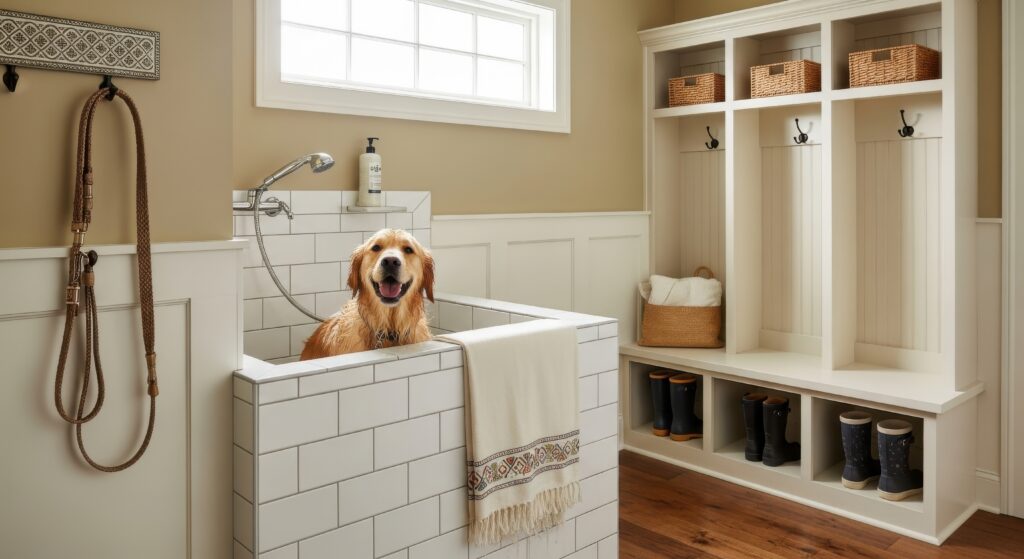
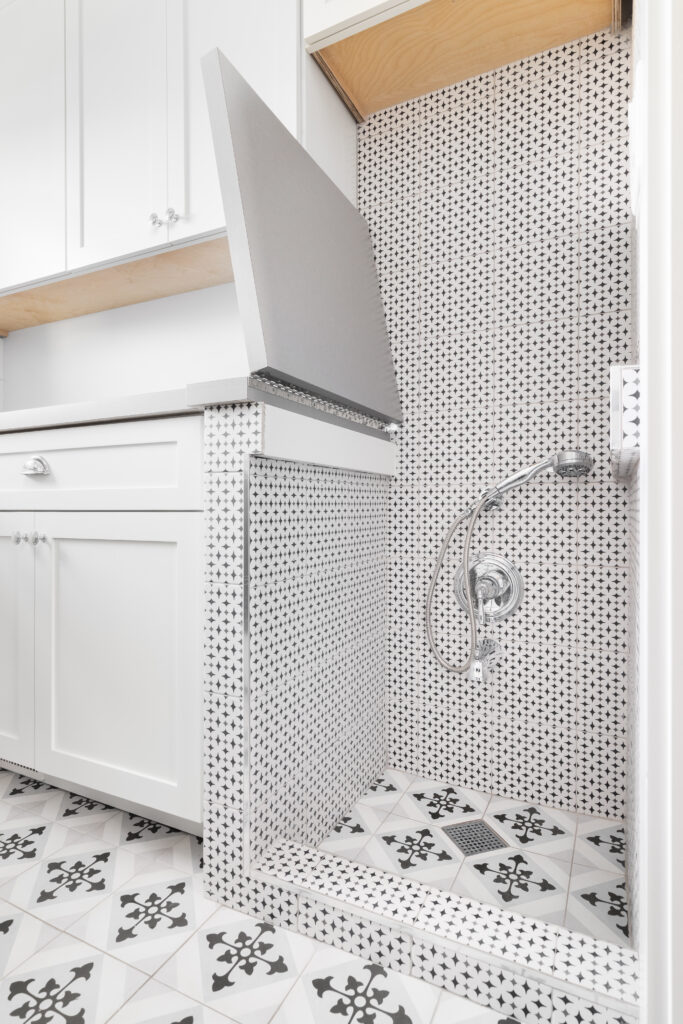
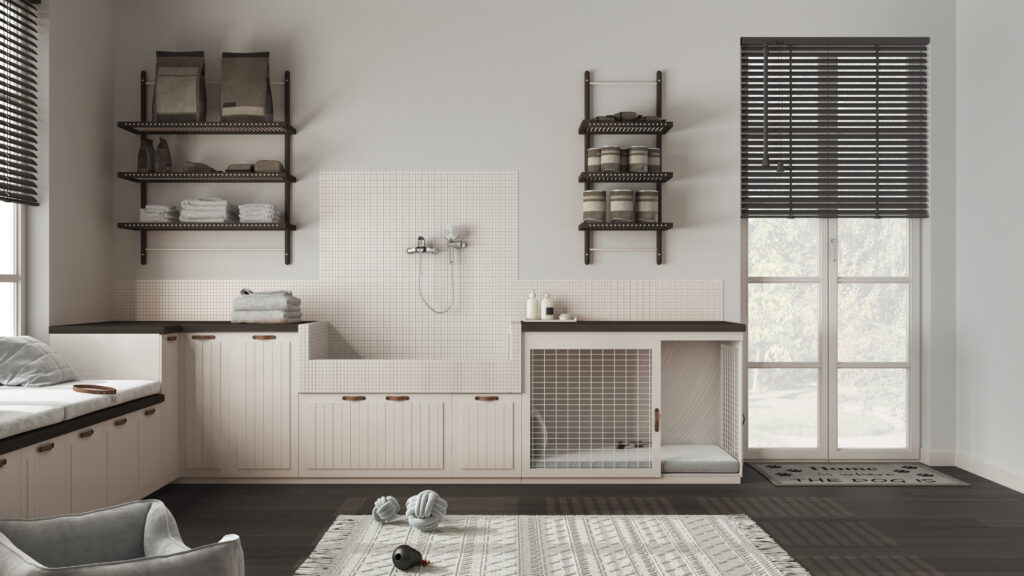
If your pet ever comes inside muddy, wet, or just generally messy (so… always), having a cleaning station is one of those upgrades you don’t realize you need until you have it, and then you’ll never go without it again.
A dedicated pet wash area in a mudroom or laundry space keeps the mess contained and makes cleanup faster, easier, and far less stressful. Instead of chasing paw prints through the house or trying to wrestle a dirty dog into a standard tub, everything is right where you need it.
Think durable, slip-resistant tile that can handle water and dirt without showing wear, a handheld sprayer that makes rinsing quick and efficient, and built-in storage for towels, shampoo, and grooming tools so you’re not scrambling mid-clean.
You can also take it up a notch with small details that make a big difference like a raised platform for easier access, wall hooks for leashes and wet gear, or even a bench where you can sit while drying off your pet. These spaces aren’t about being fancy; they’re about making everyday life just a little bit easier.
And the truth is, this is one of those features that pays off in ways you didn’t expect. It’s not the flashiest design element in your home, but it’s one you’ll use constantly, especially if your pet is part of your daily routine (and let’s be honest, they probably are).
As an added bonus, these cleaning stations aren’t just for pets. They’re perfect for everyday life: muddy kids after playing outside, adults coming in from yard work or gardening, or even rinsing off dirty shoes and gear before it all makes its way inside. It becomes a practical, hardworking space that supports how you actually live.
Dog doors are often the first thing people think about when designing a pet-friendly home, but the real magic happens in how you handle the transition between outside and inside.
Creating a thoughtful flow between these spaces helps control mess before it ever becomes a problem. That can start outdoors with a defined area, like a fenced yard or designated dog run, so your pet has a consistent place to play without tracking dirt everywhere. For cat owners, customized window access or a secure outdoor cat run can offer freedom without sacrificing safety.
Landscaping plays a bigger role than most people realize. Choosing materials that drain well or hold up under heavy use like gravel paths, artificial turf, or hardy ground covers can dramatically reduce the amount of mud that gets tracked inside.
Then, right at the entry point, you want a clear transition zone that acts as a buffer. This might look like:
The goal is simple: stop the mess at the door before it spreads through the rest of your home.
When you design this transition intentionally, you’re not just adding convenience. You’re protecting your floors, simplifying your cleaning routine, and creating a home that works with your lifestyle instead of against it.
Once you’ve covered the big features, this is where the design really comes together through the details that make everything feel effortless instead of just functional.
This is the one almost everyone overlooks. Leashes, toys, towels, food, and grooming supplies build up quickly. Without a plan, it spreads across your home.
Instead, carve out a dedicated storage area:
When everything has a place, the rest of your home stays clean and organized, and your pet features actually stay functional.
This isn’t exciting, but it’s critical.
Choosing the right materials will determine whether your home still looks good a year from now.
Consider:
These choices help reduce wear, simplify cleaning, and protect your investment long-term.
Most homeowners think about flooring in terms of looks, but not how it feels to walk on.
Pets need traction. Slippery surfaces can lead to slips, stress, and even long-term issues, especially as they age.
Adding runners, textured flooring, or non-slip materials in key areas (like entryways and hallways) makes a noticeable difference.
Most people remodel for how they live now, but your pet’s needs will change over time. Small additions like built-in ramps, lower step heights, or easier access to favorite spaces can make a big difference later on.
You may not need it today, but you’ll be glad it’s there.
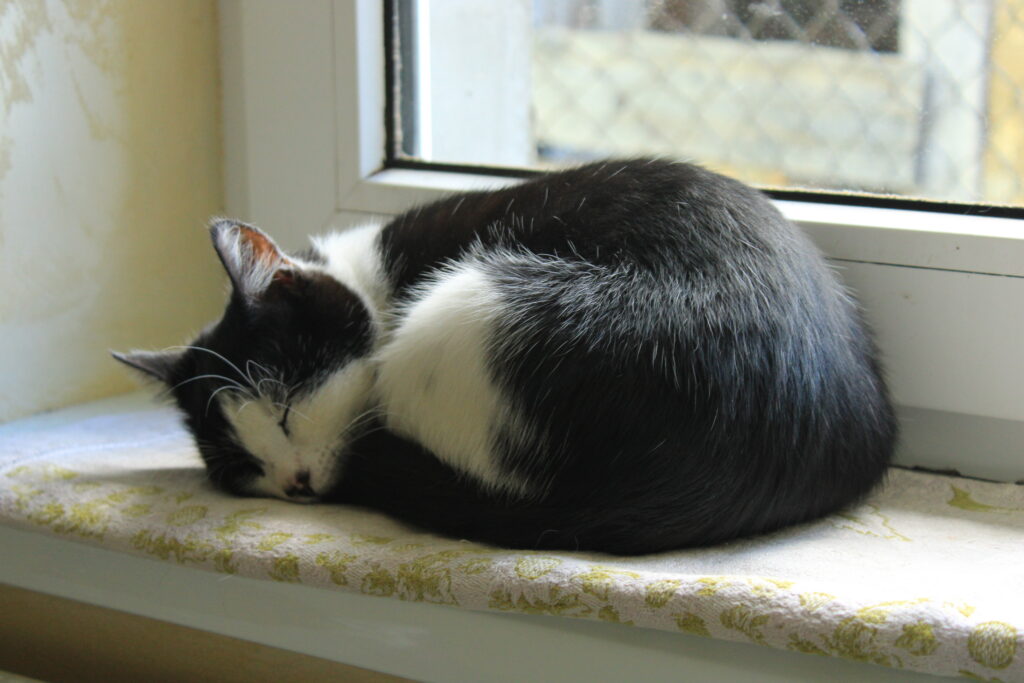
Even with a crate or dedicated nook, pets naturally gravitate to where their human parents are.
Think about where your pet already likes to relax, and consider enhancing it:
These don’t have to be complicated. They just need to feel intentional.
One of the biggest shifts in remodeling right now is consolidating everything into a single, functional area.
Usually, that looks like a mudroom or laundry space that combines:
Having everything in one place simplifies your routine, keeps the mess contained, and makes the rest of your home feel calmer.
One thing that’s easy to overlook when planning a pet-friendly remodel is what the process itself feels like for your pet.
During construction, the noise, strangers, and constant movement can be a lot, so it helps to plan ahead.
Set up a quiet, secure zone away from the work where your pet can retreat. Consider taking them to the office if that’s an option, or use pet day care as a temporary solution.
A little planning can make the remodeling experience easier on everyone.
At the end of the day, the best remodeling decisions aren’t about adding more features; they’re about removing friction.
Pet-friendly upgrades do exactly that.
They:
It’s usually not the big features people regret missing. It’s the small, everyday details like where the leash goes, where muddy paws land, and where your pet settles at the end of the day.
Your pets are family, and it’s important to consider their comfort when planning a remodel. It’s equally important to work with a home remodeler who understands how important your pets are and how to be mindful of them during construction.
Ready to start your remodel? We’ll take good care of you and your pets.
Contact BlueRidgeDesign.Build to get started.

 Request a Consultation


