
One of the most common questions we hear is, “How long will my kitchen remodel take?” It is a fair question, but the answer is rarely as simple as a single number. Kitchen remodeling timelines vary widely based on the scope of work, the level of planning, and how decisions are made along the way.
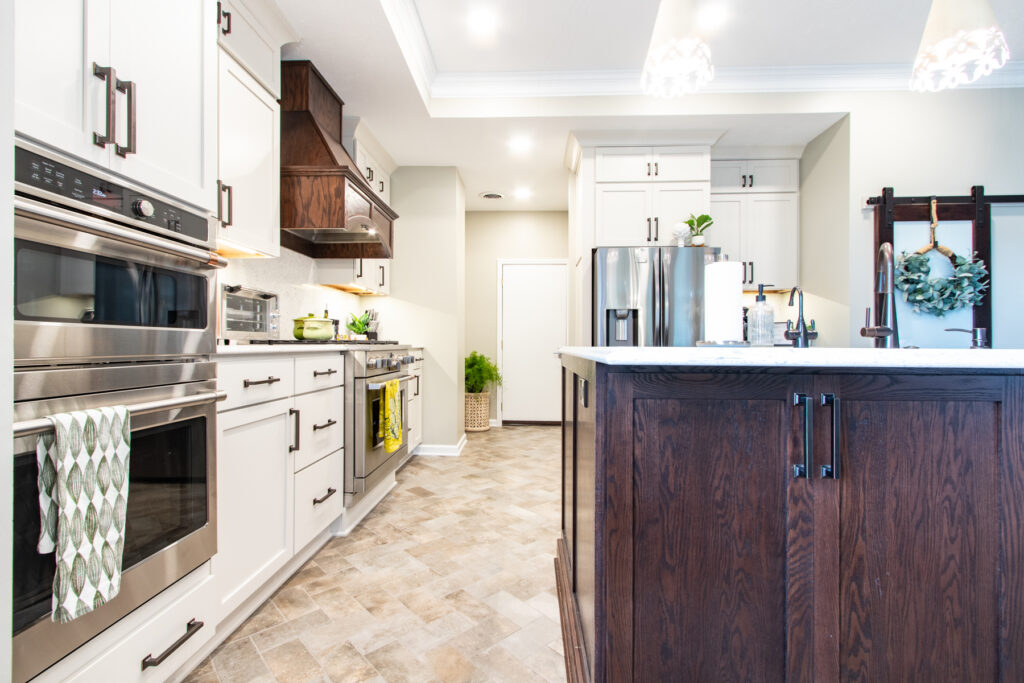
Many people think of construction as the entire project, but construction is only one phase of a much longer remodeling process. Design, selections, planning, and material ordering all happen well before the first day of demolition. Those early steps often determine how smoothly construction goes and whether the schedule stays on track.
This guide breaks down typical kitchen remodel timelines by project type, walks through each phase of the Blue Ridge Design Build process, and explains the factors that impact schedules and how delays are minimized. Understanding the full process will help you know when the right time to get started is for you!
Below is a high-level overview of construction time once work begins. These ranges assume a well-planned project with selections completed and materials ordered in advance.
In a pull and replace kitchen, the existing layout remains the same. Cabinet locations, appliances, plumbing, and electrical generally stay where they are.
This type of project typically includes new cabinetry, countertops, appliances, and finishes. While construction is shorter, it still requires a full design process, careful planning, and early material ordering to keep the schedule tight.
This type of kitchen remodel includes adjustments to cabinet layouts and minor plumbing or electrical modifications within the existing footprint of the kitchen.
Because more trades are involved and coordination becomes more complex, construction takes longer than a simple pull and replace kitchen. Thoughtful planning and clear decisions during design are critical to keeping this type of project moving efficiently.
These are the most complex kitchen remodels. They may include removing or adding walls, expanding into adjacent spaces, or making significant structural, plumbing, and electrical changes.
These kitchen remodels take the longest during construction and require the most detailed planning. While construction time varies, the success of these projects is largely determined long before construction begins.
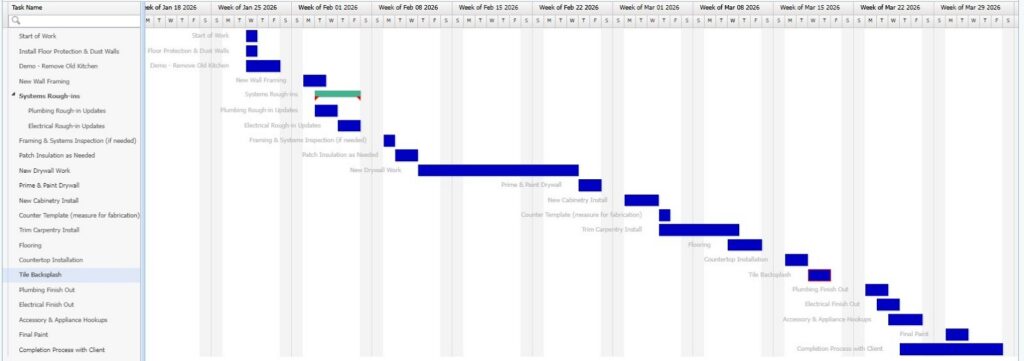
Understanding the entire life cycle of a project helps explain why kitchen remodels take as long as they do. We recommend people plan for at least 8-12 months from the time you get serious about your project until the time you plan to have the project done. Some companies may also have extended lead times in their availability which can add to this timeline. If you are thinking seriously about a kitchen remodel, the sooner you start the better.
The discovery phase is about alignment. This includes initial meetings, site visits, and conversations about goals, budget, and scope. During this time, both the homeowner and the Blue Ridge team confirm that they are a good fit to move forward together.
Most projects complete discovery within a month or less.
The design phase is where the foundation for a smooth construction process is built. Timelines here vary based on project scope and client involvement.
This step includes site review, due diligence, and the development of initial layout concepts. The phase concludes with a design review meeting to discuss early ideas and direction.
This is the most time-intensive part of design. For kitchens, it typically includes four to six structured design and product selection meetings.
Meetings are intentionally broken into focused sessions so decisions are not rushed. Cabinetry, layout, finishes, fixtures, and functionality are all developed thoughtfully. The design evolves based on questions answered along the way rather than being a random collection of ideas.
The timeline for this step is influenced by client availability, how much research has been done in advance, and the speed of decision-making.
Once all selections are made and questions are answered, the final design is documented. Construction drawings are prepared, and the full scope is confirmed before planning begins.

For kitchen projects, the planning phase is largely governed by the cabinetry timeline. Cabinets are ordered at the beginning of this phase.
Planning is not considered complete until cabinets are received, quality checked, and verified for accuracy. This phase also includes permit applications, trade coordination, and scheduling.
Blue Ridge’s standard is to have all materials in hand before construction starts. This approach dramatically reduces delays once work begins.
Construction timelines range from 4 to 12 or more weeks, depending on project type. The focus during this phase is predictable progress and efficiency.
Common Timelines Include:
This is supported by materials already onsite, trade partners scheduled in advance, and a dedicated Lead Carpenter assigned to the project to oversee daily progress and quality.
During this phase, the kitchen is typically not fully usable for the majority of the construction timeline. While access may vary depending on the stage of work, homeowners should plan for limited or no use of appliances, cabinetry, and plumbing as demolition, installation, and finishing take place.
We encourage homeowners to have some fun with this! If you have a grill, that can be a great way to prepare food, but if not, we’ve had some homeowners use camping stoves during construction and make memories together as a family.
The key is to plan ahead of time and have a plan for how you will prepare food during construction whether that be cooking ahead of time and freezing it so you can use the microwave, using a grill or camping stove, or utilizing takeout or dining in at your favorite restaurant.
Several factors can affect how long a kitchen remodel takes:
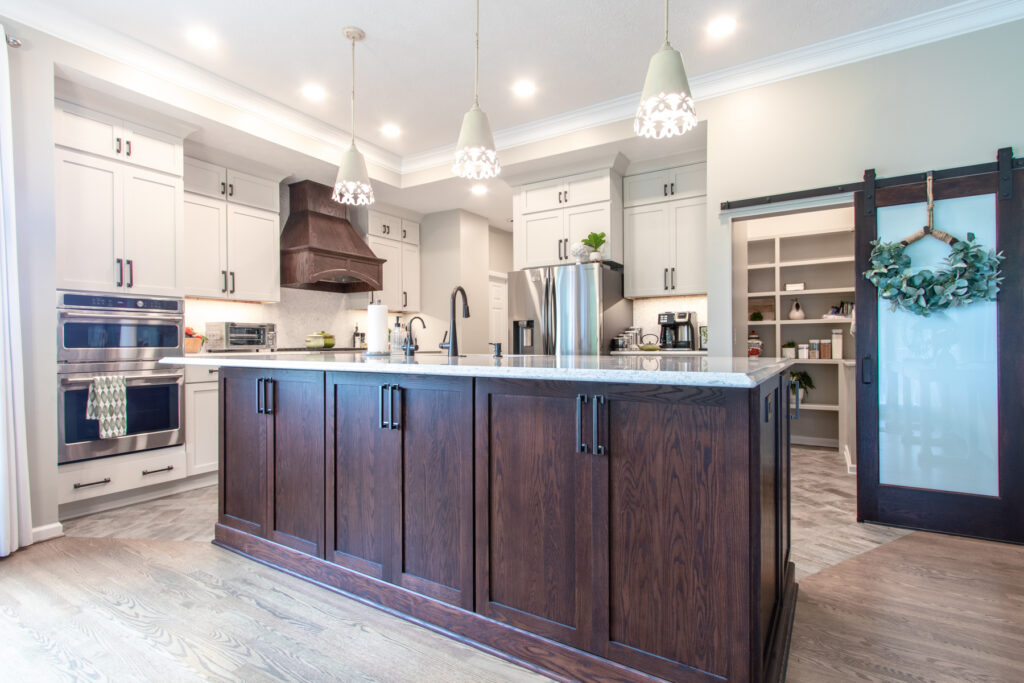
Blue Ridge Design Build uses a design build model, with design and construction teams working under one roof. This allows many issues to be resolved during design rather than during construction.
Additional strategies include advanced ordering and storage of materials, quality control checks upon delivery, and scheduling trade partners well ahead of time. Materials are stored on dedicated pallets so everything is ready when the project starts.
Each project has a Lead Carpenter providing daily oversight. Internally, the team conducts weekly schedule reviews using a three-week look-ahead planning system. Regular site meetings keep homeowners informed about upcoming work and target completion dates.
Homeowners play an important role in keeping a project on schedule. Helpful steps include:
A quality kitchen remodel takes longer than most people expect, and for good reason. Careful preparation and planning reduce stress during construction and help avoid unnecessary delays.
Being without a kitchen is temporary, but the results of a well-designed and well-built space are long-lasting. Every kitchen remodel is unique, and timelines are determined on a case-by-case basis.
Starting early and allowing adequate time for design and planning leads to smoother construction, better outcomes, and a kitchen that truly supports how you live. Contact BlueRidgeDesign.Build to get started.

 Request a Consultation


