
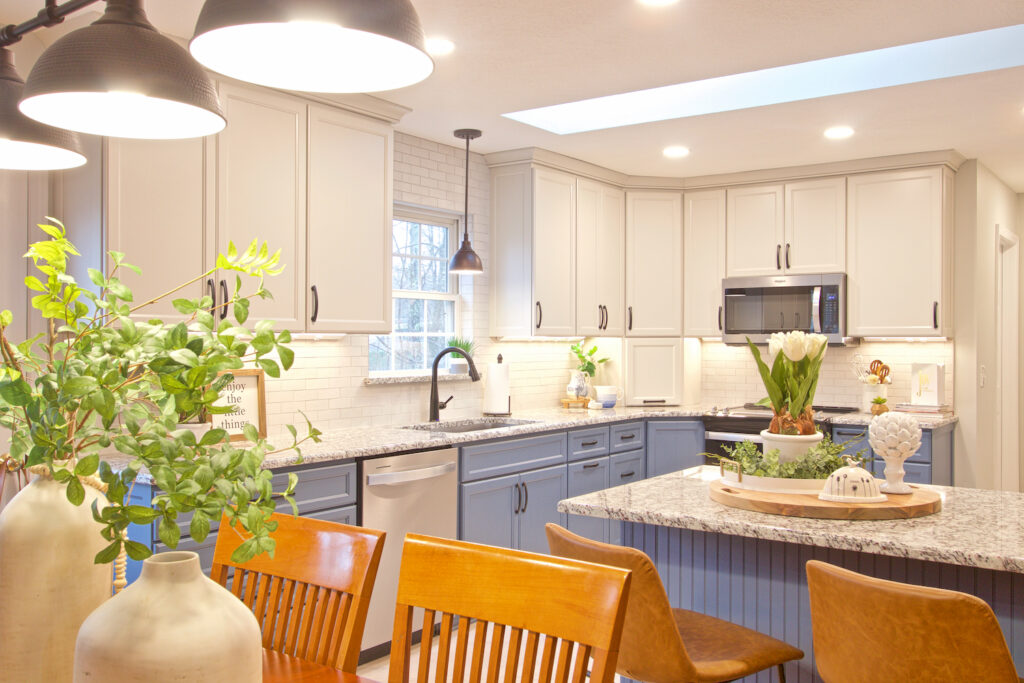
A beautiful kitchen isn’t created by cabinets and countertops alone. It comes from thoughtful preparation long before construction begins.
Kitchen remodels are complex projects. They involve dozens of decisions, multiple trades, and a temporary disruption to daily life. The homeowners who experience the smoothest renovations aren’t the ones who start by choosing finishes first. They’re the ones who take time to prepare, for both the design process and the realities of construction.
When preparation leads the process, remodeling becomes far more predictable, manageable, and successful.
One of the most common misconceptions about kitchen remodeling is cost and complexity. Many homeowners assume cabinets are the primary expense or that the project itself is relatively straightforward. Misunderstanding the full scope can lead to unrealistic expectations. In reality, cabinetry is just one component of a much larger investment that includes:
Another common mistake is rushing into layouts and selections without fully considering how the kitchen is used day to day. Even the small kitchen design details like drawer placement, lighting locations, appliance clearances, and workflow patterns significantly impact daily function. The most successful projects start with clarity around how the kitchen needs to function, not just how it should look.
1. Research the Right Partner
Spend time vetting design build firms before reaching out. Look for:
Reach out to two or three firms and pay attention to their communication style, organization, and how well they listen.
Most importantly, make sure you feel comfortable with them and confident you can build a working relationship throughout the project. Remodeling is collaborative. The right team should be just as invested in building trust with you as you are with them.
2. Clarify Your Goals and Priorities
Before beginning your kitchen remodeling journey, identify:
This clarity allows your design build partner to create solutions aligned with your lifestyle and budget, all while helping prevent costly revisions later.
3. Get Inspiration for Your Kitchen Remodel
Gather visual inspiration so your design team can better understand your aesthetic preferences.
One of the easiest ways to do this is by creating a mood board or creative direction board. This can be as simple as a Pinterest board filled with kitchen designs you love, or a flat-lay color palette board reflecting the tones, materials, and finishes you’re drawn to.
Bringing visual references into early conversations helps align expectations and provides a clearer starting point for developing a kitchen that feels cohesive and personal.
4. Understand the Preconstruction Process
A structured design and preconstruction phase is one of the most important factors in reducing surprises during your kitchen construction.
A well-defined process ensures the scope is thoroughly developed before demolition begins. This phase should include progressive design meetings that refine project details and kitchen remodeling timelines, along with documented building plans and a clearly defined scope of work included in your contract. Trade professionals, including plumbing, electrical, HVAC, and structural specialists, should evaluate the space in advance so their expertise informs the planning stage.
While no renovation can eliminate every unknown, a comprehensive preconstruction process reduces major change orders and unexpected budget increases.
Cabinet Construction Matters
Cabinets make up one of the largest single expenses in a kitchen remodel, but quality and construction vary widely. Understanding these differences helps homeowners compare proposals accurately and invest where durability matters most.
Equally important is how cabinetry is sourced and designed. Many experienced design build firms offer in-house cabinet lines through dealer partnerships. This can result in better pricing, tighter coordination, and fewer errors than purchasing cabinets independently.
When cabinet design is handled internally, layouts can be refined in real time. Small adjustments may affect overall cost, so having this process integrated within the firm allows for greater transparency, accuracy, and control.
Mechanical Trades Add Up
Kitchens require more plumbing and electrical work than almost any other room in the home. Common upgrades include:
These behind-the-scenes improvements aren’t always visible in the finished kitchen, but they significantly affect both performance and budget. Understanding this early helps homeowners plan more realistically.
Even with thorough planning, unexpected conditions can surface once walls are opened.
Before construction begins, establish clear financial guardrails. Know where you want to be budget-wise, where you’re comfortable stretching, and the number you absolutely cannot exceed. When your contractor understands these parameters, they can guide decisions appropriately and help prevent scope creep.
A good rule of thumb is to reserve 5–10% of your total project budget as a contingency. While change orders are often smaller than that range, planning conservatively provides peace of mind.
Declutter and pack strategically:
If cabinets, fixtures, or appliances are being removed, decide in advance whether they will be:
Making these decisions early provides a sense of ease once kitchen demolition starts.
Material or fixture decisions made during construction can delay progress. Your remodeling partner will help guide you through the preconstruction phase to ensure:
The more decisions completed upfront, the smoother the construction will run.
Living through a kitchen remodel is disruptive, even with the best team. Therefore, it’s important to consider the following:
This phase is temporary, but preparation makes it manageable. Choosing a design build firm that prioritizes communication and scheduling helps maintain stability throughout the process.
A little planning goes a long way. Create a basic food prep station with:
Some homeowners choose temporary housing during parts of their kitchen renovation. For others, simple adjustments and flexibility make staying home workable.
The homeowners who navigate construction most successfully understand that disruption is temporary, but the improvement is long term. Patience, flexibility, and clear communication with your project team go a long way. When the process is structured well from the beginning, stress decreases significantly.
A kitchen remodel is a meaningful investment of time, energy, and resources. But when preparation leads the process from early planning through construction, the experience becomes predictable, manageable, and exciting.
Thoughtful preparation leads to fewer surprises, stronger financial control, more informed decision-making, and ultimately a kitchen that truly supports your daily life. Remodeling doesn’t have to feel overwhelming when the process is built correctly from the start.
Blue Ridge Design Build helps homeowners prepare, plan, and build kitchens with clarity, communication, and craftsmanship. Reach out to begin the conversation and take the first step toward a smoother remodeling experience.

 Request a Consultation


