
We’ve seen more and more homeowners asking about multi-generational living over the last several years. Sometimes it’s an aging parent moving in with an adult child. Other times, it’s adult children staying home longer than previous generations did. In some cases, families simply enjoy being close to one another and want a home that supports that lifestyle.
Whatever the reason, most homes weren’t originally designed for multiple generations to live comfortably under one roof. A typical single-family home may work well for a family of four or five, but once you introduce aging parents, adult children, grandchildren, or caregivers into the equation, the way the home functions begins to change.
The good news is that remodeling can often provide a solution. With thoughtful planning, it’s possible to create a home that allows families to stay together while still maintaining privacy, independence, and functionality. The key is understanding that successful multi-generational living requires more than simply adding a bedroom or finishing a basement. It requires designing around the way your family actually lives.
For families considering multi-generational living, the challenge usually isn’t deciding whether living together makes sense. The challenge is figuring out whether the house can support it. As a result, many homeowners find themselves asking the same question: Should we move, or should we remodel? Once the decision to remodel is made, the next question becomes design strategy.
For many homeowners, remodeling makes more sense than moving. If you already love your neighborhood, enjoy your home, and have established roots in your community, starting over somewhere else may not be appealing.
Remodeling allows families to customize the home around their exact needs. Whether you’re preparing for an aging parent, creating space for adult children, or planning for future caregiving needs, a remodel provides flexibility that can be difficult to find in an existing home on the market. In many cases, families are also emotionally attached to their homes. Remodeling allows them to preserve that connection while adapting the house to support a new stage of life.
One of the first conversations we have with homeowners is determining what level of independence each generation wants. Through our experience, most projects fall into one of two categories.
The first approach is creating what is essentially a second living unit within or adjacent to the home. This could take the form of:
These spaces often include their own entrance, kitchen, bathroom, and living area. In some cases, they may even have independent utilities.
This arrangement provides the highest level of independence because the people living within the spaces never even have to see each other if they choose not to.
For some families, that level of separation creates the perfect balance between togetherness and privacy.
The second approach involves sharing much of the home while creating strategic separation where it matters most.
In these projects, families may continue sharing the kitchen, utilities, laundry areas, and gathering spaces. The remodel focuses on improving layouts, creating retreat spaces, reducing noise transfer, and giving each generation room to maintain their own routines.
This type of arrangement often requires careful planning because the goal is to create both shared spaces and private spaces. It’s important for every family member to have somewhere they can retreat to, but it’s equally important to create gathering areas where everyone can comfortably spend time together.
Those two goals need to work hand in hand.
A consistent theme in multi-generational remodels is balance. Successful multi-generational homes need spaces for people to gather together and spaces for people to retreat to.
Both are equally important.
A lot of homeowners hear terms like “accessible design” or “aging in place” and immediately picture a hospital room. That’s not the goal here.
Good universal design should work for young children, middle-aged adults, and aging parents without calling attention to itself. Some of the most common features include:
The goal is simple: create a home that functions well for everyone without making one bathroom look like “the designated handicap bathroom.” Accessibility features should feel natural. They should blend into the design of the home rather than stand out from it.
One mistake families often make is underestimating how important personal space becomes when multiple generations live together.
Everyone needs somewhere to retreat. That might be:
Different generations often have different schedules, routines, and interests. Creating spaces where family members can enjoy some privacy helps reduce friction and allows everyone to feel more comfortable in the home. Whether it’s a quiet place to read, work, relax, or simply spend time alone, having dedicated retreat spaces is an important part of making multi-generational living successful.
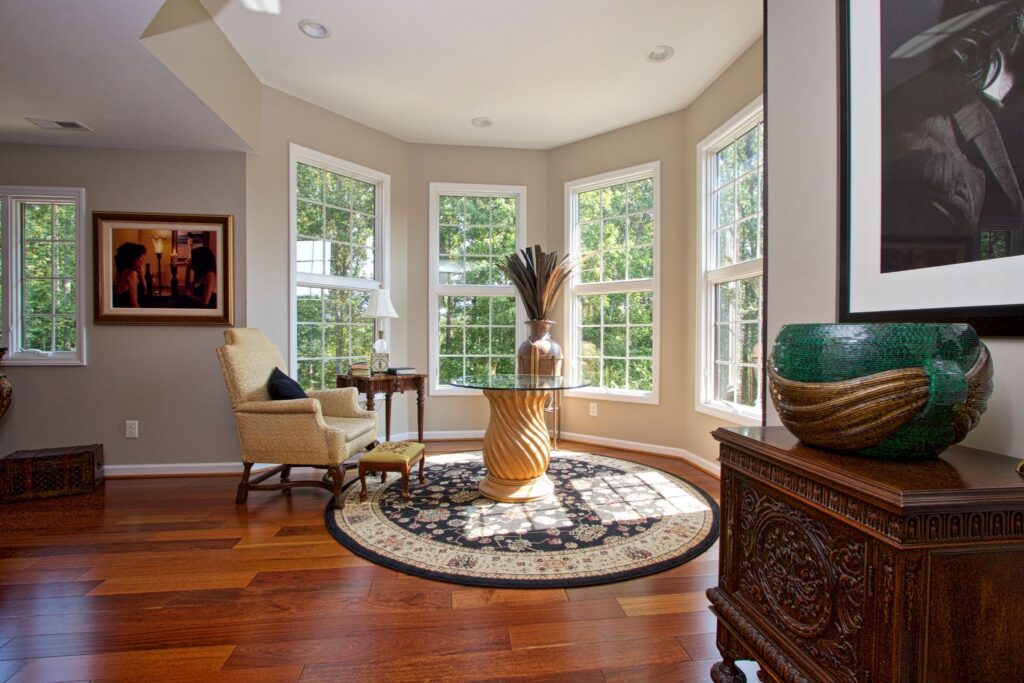
The flip side is that people still want to spend time together. That’s why many multi-generational remodels include more space in the form of:
One of the biggest misconceptions about aging in place is that it requires sacrificing good design. But, it doesn’t. In fact, the best aging-in-place features are often the ones nobody notices.
Many accessibility upgrades are surprisingly simple. Examples include:
Most people don’t think twice about these features when they’re healthy and mobile. Years later, they can make a tremendous difference.
Whenever remodeling, we encourage homeowners to think beyond today’s needs. For example, adding blocking inside walls during a remodel costs very little but makes future grab bar installation much easier.
Likewise, widening doorways during a renovation is far easier than trying to modify them later. The goal isn’t to predict the future perfectly. The goal is to remodel in a way that gives you options and avoids doing anything that limits them later.
Certain projects show up again and again in multi-generational remodels. The most common include:
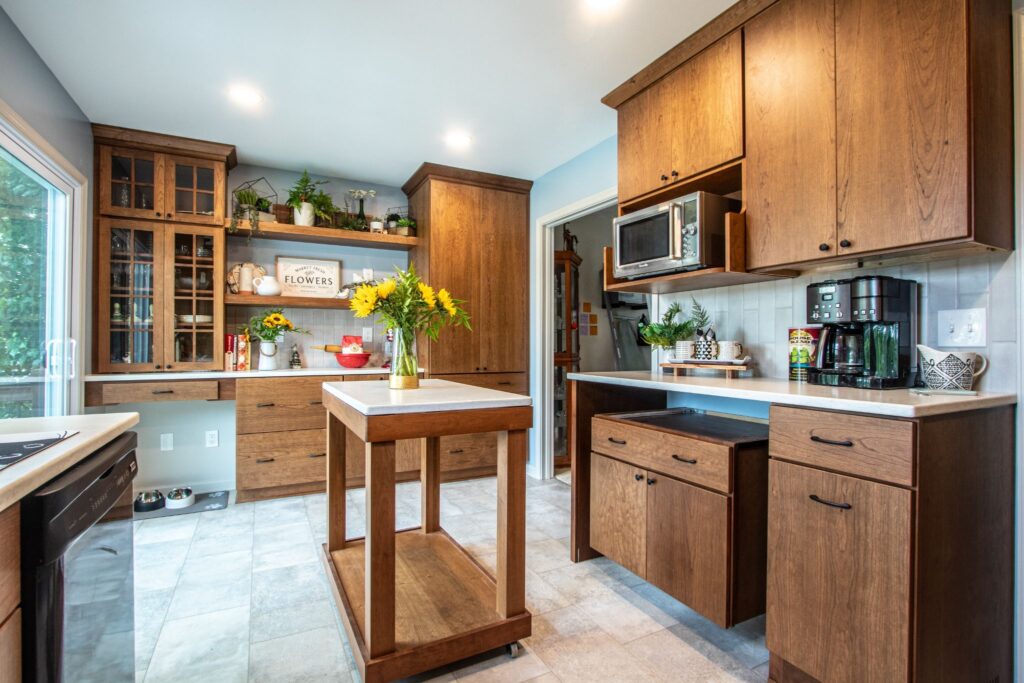
One emerging trend is that many families don’t necessarily want a full second kitchen. Instead, they want a small independent space where someone can make coffee, heat up lunch, or enjoy a little privacy. That might include:
This may be the most important part of the remodeling process. The construction is usually the easy part. The conversations are harder.
Before anyone starts drawing floor plans, families need to decide how independent they actually want to be. Do you want completely separate living spaces, or do you simply want a little more privacy within a shared home?
Neither answer is wrong. But the design will be dramatically different depending on the answer.
Families should talk honestly about:
Will you see each other every day, or are you simply sharing the same roof?
Both arrangements can work. The important thing is making sure everyone understands the plan.
Bringing households together can be challenging as routines, personalities, and expectations can overlap. That doesn’t mean something is wrong. It simply means everyone will be learning how to share a space in a new way.
Open communication and making sure everyone feels considered can go a long way toward creating a living arrangement that works well for everyone involved.
Before moving forward, ask yourself:
One of the most important parts of the process is understanding early on what you’re truly comfortable living with long-term.
Before getting too far into the design process, it’s important to understand what local regulations allow.
Potential restrictions may include:
Infrastructure can also become a limiting factor. If you’re connected to public water and sewer, this may be less of a concern. However, homes on wells and septic systems often have limits on how many bedrooms they can support. In the end, you may out-build your systems if you’re not careful. These are the types of issues that should be addressed before finalizing plans.
In most cases, remodeling adds value simply because you’re improving the home. Beyond that, multi-generational features can make a property more flexible for future buyers.
Aging-in-place features aren’t going away anytime soon, and many buyers appreciate homes that offer additional living options. If the space is designed to be self-sufficient, it may also create future rental opportunities depending on local zoning regulations. That flexibility alone can be valuable.
The best multi-generational homes strike a balance. They create opportunities for families to spend time together while still giving everyone a place to retreat. They support aging in place without feeling clinical. They provide independence without creating isolation. Most importantly, they start with honest conversations.
Once you have those answers, the remodeling process becomes much clearer. And when the design is built around the way your family actually lives, the result is a home that can serve multiple generations comfortably for years to come.
Contact Blue Ridge Design Build to start designing your multi-generational home.

 Request a Consultation


