
About the author

Production Manager
A whole home remodel is one of the most transformative projects you can take on as a homeowner, but it’s also one of the most complex. Unlike remodeling a single bathroom or replacing a kitchen countertop, a whole home remodel affects how your entire house functions, feels, and supports your daily life. These projects require thoughtful planning, realistic expectations, and a clear understanding of what you’re trying to accomplish before construction ever begins.
For some homeowners, a whole home remodel is about restoring an aging house that has slowly become outdated over time. For others, it’s about reworking a home they love in a location they don’t want to leave. In many cases, it’s about finally creating a home that truly works for the way they live today instead of continuing to adapt to a house that no longer fits their needs.
If you’re considering a whole home renovation, this guide will help you understand what the process involves, what misconceptions to avoid, and how to set yourself up for a successful project from the very beginning.
One of the biggest reasons homeowners choose a whole home remodel instead of renovating room by room is because the home often needs significant updates across multiple areas, making it more practical and efficient to address everything together. Rather than piecing projects together over several years, many homeowners prefer to approach the house with one unified plan that improves how the entire home looks, functions, and flows together.
Design cohesion is one of the biggest advantages of taking this approach. When updates happen gradually over time, homes can begin to feel disconnected. Flooring changes from room to room, trim profiles no longer match, lighting styles evolve, and finishes reflect different trends from different years.
A whole home remodel allows homeowners to create a more intentional and cohesive result from the beginning. Materials, finishes, flooring, lighting, and design details can all be selected together so the finished home feels unified, functional, and thoughtfully connected throughout the house.
Many homeowners also choose a whole home remodel to minimize long-term disruption. Living through remodeling is disruptive no matter how organized the project is. There’s noise, dust, changing schedules, and portions of the home that may temporarily become unusable. Repeating that process every year or two can become exhausting, especially for families trying to maintain normal routines.
By approaching the home as one larger project, homeowners are often able to complete the disruption all at once instead of continually restarting the remodeling process. There are also efficiencies that come with coordinating work together instead of repeatedly mobilizing crews, scheduling subcontractors, setting up job sites, coordinating deliveries, and managing multiple permitting processes over time.
There can also be financial efficiencies when work is bundled together. Many subcontractors have minimum charges, and completing projects separately often means paying those costs multiple times instead of benefiting from economies of scale. Coordinating work together can also help homeowners make more strategic decisions about where to invest throughout the home as a whole rather than evaluating each space independently.
Whole home remodeling also creates an opportunity to improve long-term livability and reduce future maintenance. Many homeowners use these projects to replace aging finishes and high-maintenance materials with more durable products designed to hold up better over time, both inside and outside the home. That can reduce future upkeep while creating a home that feels easier to maintain for years to come.
Not every house needs a whole home remodel. Sometimes a kitchen renovation or bathroom update is enough to solve the problem. However, there are situations where isolated projects stop making sense and it becomes more practical to look at the home as a whole.
For many homeowners, the turning point happens gradually. The finishes throughout the house begin to feel dated. Maintenance issues become more frequent. Multiple systems start nearing the end of their lifespan at the same time. Repairs slowly shift from routine maintenance into ongoing frustration. At a certain point, continually patching isolated problems may no longer feel like the best long-term solution.
In other cases, the issue is less about condition and more about functionality. Many older homes were designed around lifestyles that look very different from how families live today. Closed-off floor plans, limited storage, insufficient lighting, small kitchens, or awkward layouts can make a home feel disconnected from modern living.
Sometimes homeowners simply outgrow the way the home functions. A family may need spaces that better support children and everyday routines. Remote work may create the need for dedicated office space. Empty nesters may want to age in place more comfortably with improved accessibility and a better long-term layout. New homeowners may fall in love with a neighborhood or property while realizing the house itself needs significant updates before it fully supports their lifestyle.
A whole home remodel creates an opportunity to rethink how the entire house works together instead of solving frustrations one room at a time. It also creates an opportunity to improve long-term livability by updating aging systems, improving flow, and selecting more durable materials throughout the home.
If you plan on staying in the home long-term, there is often real value in making those improvements sooner and all at once rather than continuing to live with problems you already know need to be addressed.
One of the biggest misconceptions homeowners have is assuming a whole home remodel means every single room gets completely gutted and rebuilt. That’s not necessarily the case.
A whole home remodel can mean many different things depending on the goals and scope of the project. On one end of the spectrum, it may involve a full interior and exterior transformation where nearly every finish, system, and space in the home is updated. These are projects where the house is almost entirely reinvented while still technically remaining a remodel instead of a new build.
On the other end of the spectrum, a whole home remodel may involve remodeling several major rooms simultaneously while also updating flooring, paint, trim, lighting, and finishes throughout the rest of the home. For example, remodeling a kitchen and multiple bathrooms while repainting the entire interior, replacing flooring throughout the house, and updating lighting would still generally fall into the category of a whole home remodel.
What typically defines these projects is the level of coordination, planning, and overall impact on the home. Once a remodel begins touching multiple major areas simultaneously, the project becomes significantly more complex from both a construction and logistical standpoint, especially if there is a client living in the home during the project.
Planning, scheduling, material coordination, budgeting, sequencing, and decision-making all become much more important. These projects are also more invasive to daily life. Some homeowners can comfortably remain in the home during construction depending on the scope and how the project is phased. Others may need to temporarily move out, especially when kitchens, bathrooms, bedrooms, and major living spaces are all being worked on at the same time.
There is no universal answer as to whether homeowners can remain in the house during a whole home remodel. It depends entirely on the scope of work, the layout of the home, and how the project is planned. Some people have the option to move out and stay elsewhere during the process, while others do not. Blue Ridge Design Build is experienced in working with both situations and can usually find practical solutions for any scenario.
Like most remodeling projects, whole home remodels are often misunderstood before construction begins. The two biggest misconceptions are usually budget and timeline.
Many homeowners naturally compare remodeling costs to either the current value of their home or what they originally paid for it. However, those numbers are not necessarily connected to the actual cost of remodeling. The value of a home is not the same thing as the cost to renovate or rebuild it.
Depending on the scope of work, it is not uncommon for extensive whole home remodels to approach or even exceed the current market value of the home. That doesn’t automatically mean it’s the wrong decision. Remodeling decisions are often more about lifestyle, functionality, and long-term enjoyment than arbitrary benchmarks tied to market value.
One example discussed internally at Blue Ridge involved homeowners who purchased their home for approximately $200,000 and later invested more than that amount into remodeling over time. When they eventually sold the home, they were able to recoup those investments at resale. While every market and project is different, it’s an important reminder that remodeling value cannot always be measured strictly by comparing renovation cost to the original purchase price.
Another common misconception is whether homeowners can remain in the home during construction. Some people assume they will absolutely have to move out when they may not need to. Others assume they can comfortably stay in the home when the reality is that the project would make daily life extremely difficult.
The answer usually depends on the scope of work, whether kitchens and bathrooms remain functional, how well the project can be phased, and whether living areas can be separated from active construction zones. Factors like working remotely, having children at home, or needing access to laundry and cooking spaces can also heavily influence the decision. These projects often last anywhere from 4–12 months, which can make living through construction especially challenging if a practical living and working plan is not in place.
There is also a misconception that large remodels can easily be controlled piece-by-piece throughout construction and that major decisions can simply be made as the project unfolds. In reality, whole home remodels require a high level of planning upfront. The larger and more complex the remodel becomes, the more important those early decisions become for maintaining budget, timeline, and overall project flow.
Before homeowners begin selecting finishes or thinking about demolition, they need to clearly define what they are trying to accomplish.
For some homeowners, that means improving functionality. For others, it means updating an aging home, creating better long-term livability, preparing to age in place, or staying in a neighborhood they love instead of moving away. Understanding the “why” behind the remodel shapes every decision that follows.
One of the earliest and most important conversations should also be whether a whole home remodel is truly the right solution. Sometimes moving may make more sense. In other situations, building a new home may ultimately be the better investment. There are also cases where a targeted remodel or addition solves the majority of the problem without requiring a full renovation.
This is one reason it’s valuable to involve an experienced remodeling professional early in the process. At Blue Ridge, we believe part of our responsibility is helping homeowners determine the right path forward, even when that solution is not necessarily a whole home remodel.
Early planning should also include establishing a realistic budget range and building contingency funds into that budget from the beginning. Remodels often uncover hidden conditions once walls, floors, and ceilings are opened up, which makes contingency planning extremely important.
Homeowners should also begin researching neighborhood values, comparable homes, structural limitations, zoning restrictions, and whether additions or layout modifications are feasible for their property. The last thing anyone wants is to begin the planning process only to discover that what they envisioned cannot physically, structurally, mechanically, or financially be accomplished. This process is often best managed alongside a professional design-build firm.
A successful whole home remodel starts with planning, and lots of it.
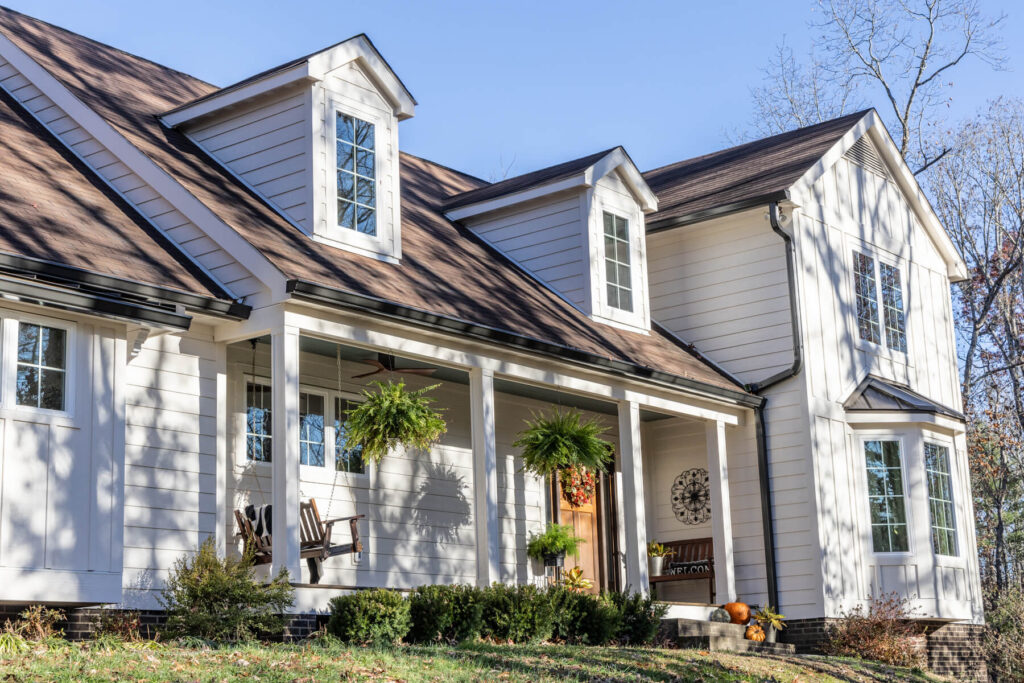
Whole home remodeling costs can vary dramatically depending on the scope of the project. Extensive remodels can range anywhere from roughly $200–$600 per square foot depending on the level of renovation, structural complexity, and finish selections involved.
Timeline can vary just as much. A lighter whole-home update focused primarily on finishes may take only several weeks, while more extensive renovations involving kitchens, bathrooms, layout changes, additions, structural work, or exterior updates are more common, and may take many months or even close to a year. Many whole home remodels realistically fall somewhere in the 4–12 month range depending on complexity.
The biggest factors affecting timeline typically include the overall scope of work, material lead times, permitting, inspections, existing home conditions, and whether homeowners remain in the home during construction. Decision-making speed also plays a major role. Waiting until the last minute to finalize selections can create delays that affect the entire project schedule.
One of the realities of remodeling is that existing homes almost always contain surprises. Unlike building a new home on an empty lot, remodelers must work around existing framing, plumbing, electrical systems, insulation, and previous renovations while also adapting the home to current building codes.
As one of our team members described it internally, remodeling is often like building a new house except the existing house is already there and in the way.
The biggest cost drivers in whole home remodeling are usually kitchens, bathrooms, cabinetry, custom millwork, flooring, windows, siding, roofing, and major system updates like electrical, plumbing, and HVAC. Structural modifications can also significantly affect cost depending on the extent of the work.
Permits and code requirements play an important role as well. Many older homes contain grandfathered conditions that were acceptable when originally built but no longer meet current standards. Depending on how invasive the remodel becomes and the requirements of the governing municipality, certain upgrades may become required once portions of the home are opened up.
This is why understanding local codes, zoning requirements, and project feasibility early in the design process is so important. Good upfront planning helps minimize delays, surprises, and redesigns later in the project.
Whole home remodels involve a tremendous amount of coordination, communication, and decision-making. The smoother the planning process is upfront, the smoother the construction process tends to be overall.
That preparation extends beyond design selections and construction planning. Before starting a project of this scale, homeowners should also speak with a financial advisor, banker, or trusted financial professional about how the remodel fits into both short-term and long-term goals. Temporary housing costs, financing strategy, contingency planning, and overall investment comfort should all be part of the conversation early on.
Once planning begins, maintaining clear communication and alignment throughout the project becomes one of the most important factors in a successful remodel. Large remodeling projects involve constant coordination between homeowners, designers, project managers, subcontractors, suppliers, and trades. Without a well-organized team leading that process daily, schedules can quickly become delayed and decision-making can become overwhelming for homeowners.
This is one reason many homeowners prefer the design-build approach. When the designer and builder operate as one team, communication tends to remain more cohesive throughout the project. The intent behind the design stays connected to the realities of budget, scheduling, construction, and execution from the very beginning.
That level of coordination also requires active day-to-day oversight once construction is underway. At Blue Ridge Design Build, every whole home remodel is supported by a Lead Carpenter and Production Manager who help oversee the day-to-day progress of the project. Their role is to keep communication flowing, coordinate trades and scheduling, manage onsite activity, and proactively address issues before they create larger delays. Even with strong upfront planning, projects of this scale require continuous real-time management to help keep the construction process moving efficiently.
Homeowners also play an important role in keeping projects moving smoothly. Making decisions early is one of the best ways to keep projects on schedule and within budget. Waiting until construction is underway to finalize selections often creates delays, rushed decisions, and unnecessary stress. By selecting materials, finishes, and fixtures upfront, homeowners and contractors can move into construction with far more confidence and predictability.
Even with excellent planning and project management, whole home remodels still require patience and flexibility. Perhaps the biggest piece of advice we can give homeowners preparing for a whole home remodel is to be realistic about what these projects involve. Whole home renovations are exciting, but they are also major undertakings that temporarily disrupt normal life.
The homeowners who tend to have the best overall experience are the ones who fully understand the scope of the project before construction begins and approach the process with realistic expectations and a willingness to plan thoroughly. When done well, a whole home remodel can completely transform not just the appearance of a house, but how it supports your life every day. And for many homeowners, that investment is well worth it.
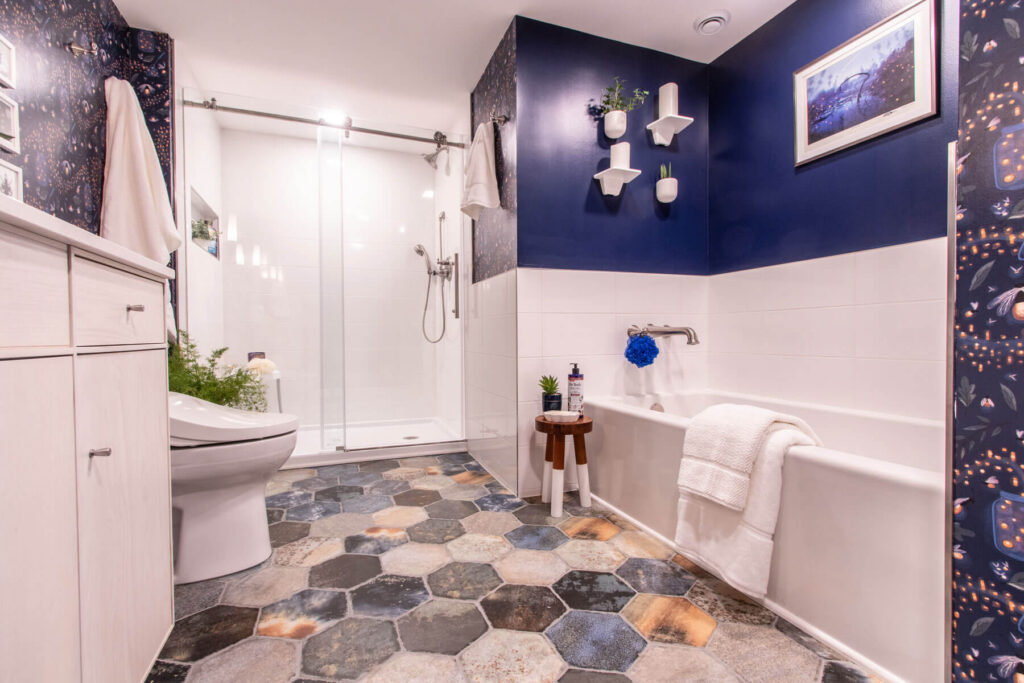
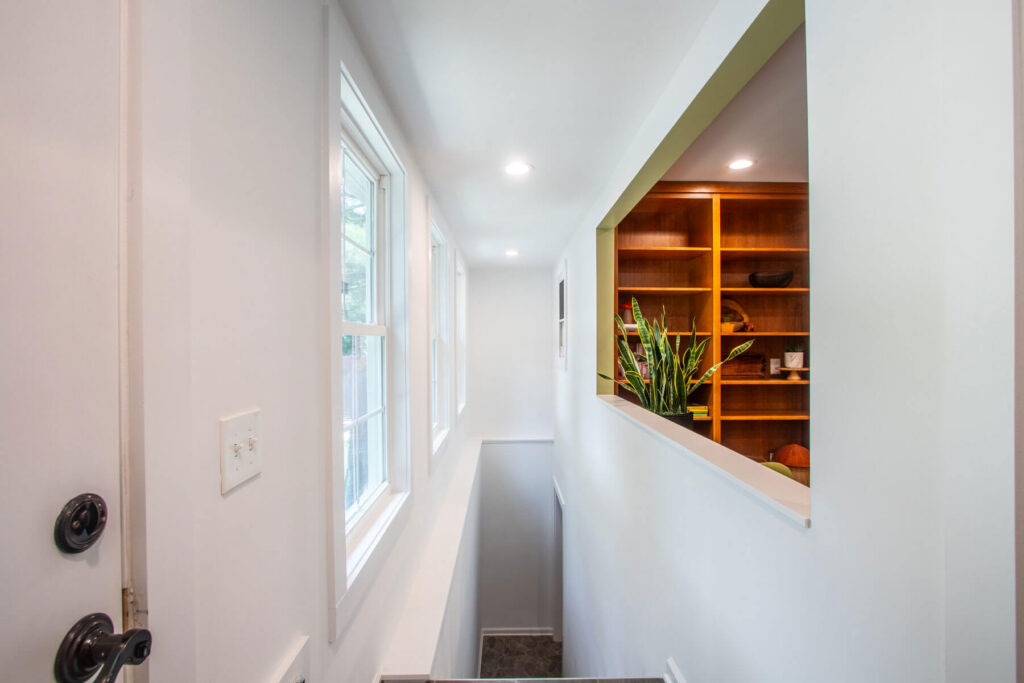
These homeowners set out to transform their home into a more functional and connected space for everyday living and entertaining. Their vision centered on a larger, open-concept kitchen that could comfortably serve as the heart of the home for a family of three, while also accommodating gatherings, movie nights, and weekly potlucks. The project also reimagined the layout to include a flexible kitchen and office combination, blending work and daily life without sacrificing openness. The renovation ultimately required creative problem-solving, including a stair relocation and basement reconfiguration, to fully bring their vision to life.
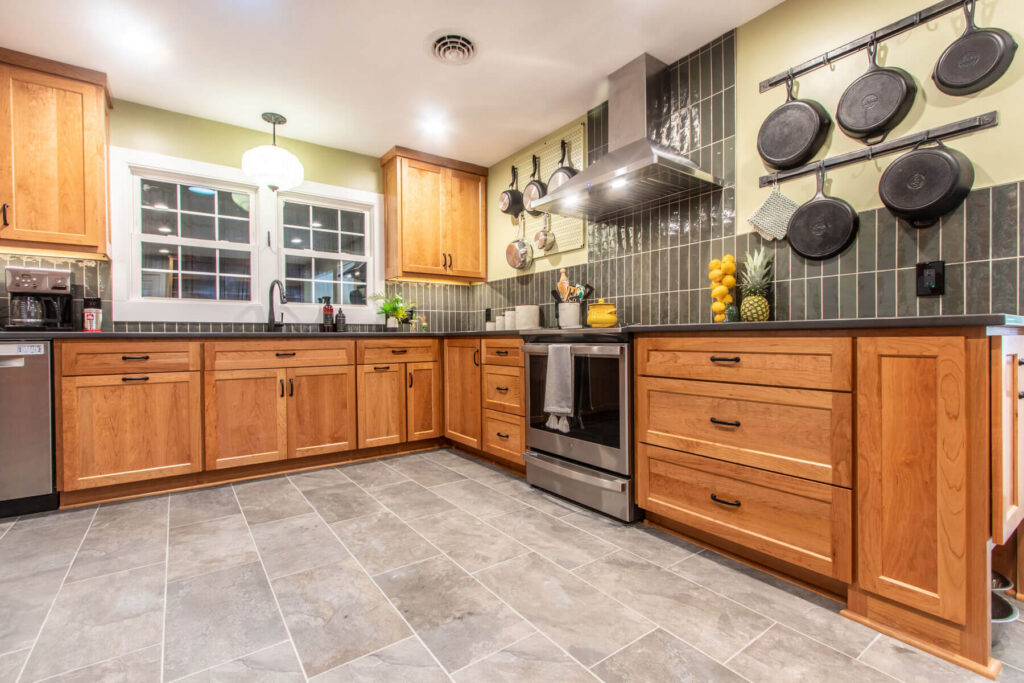
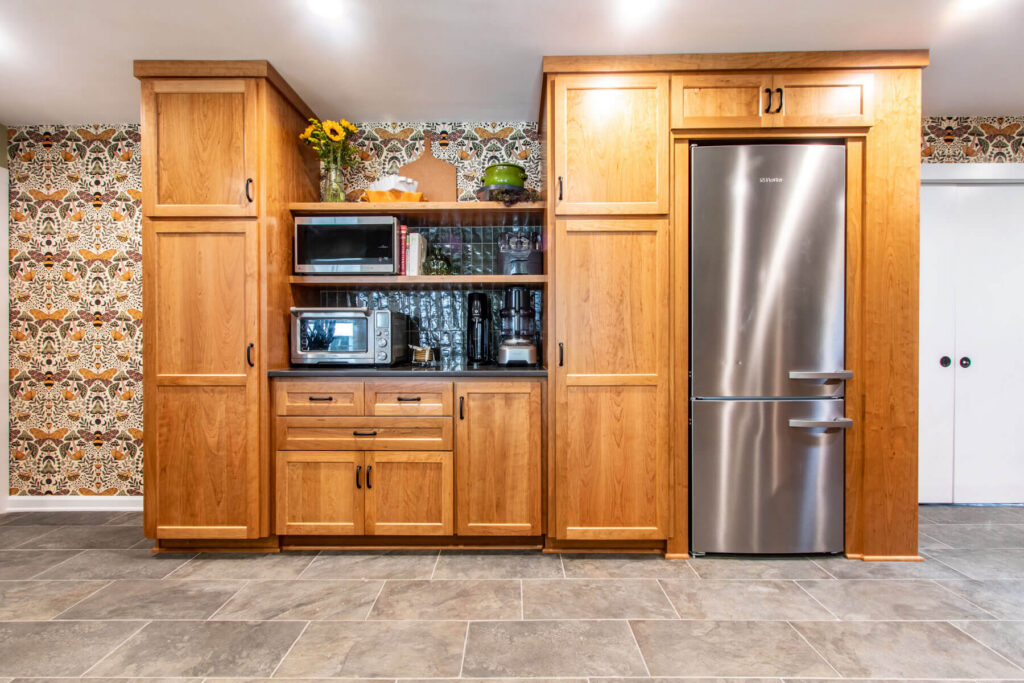
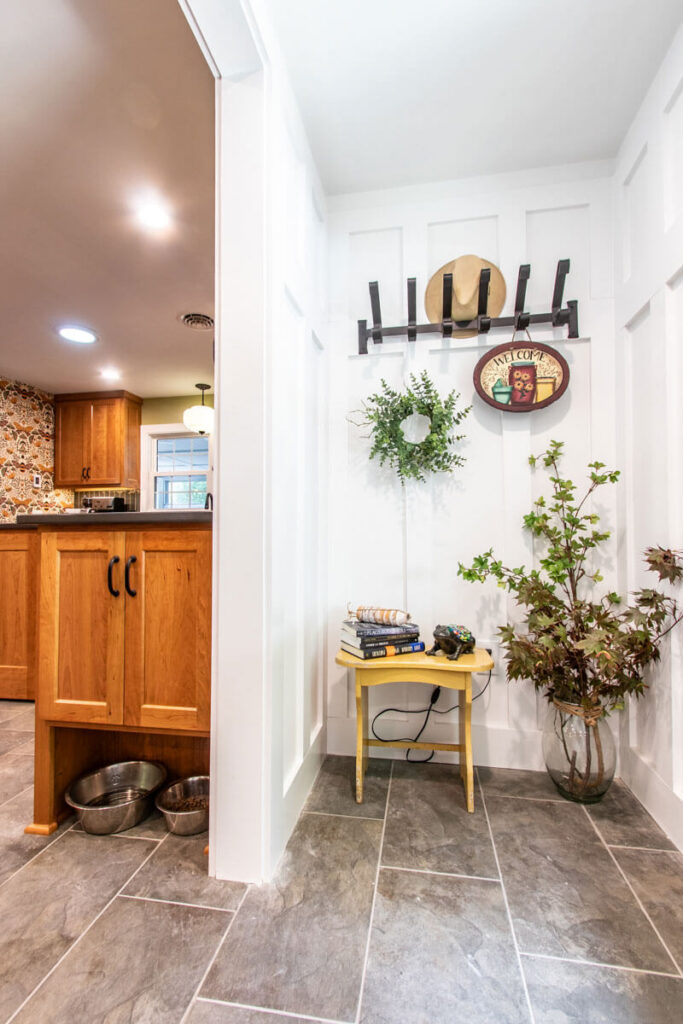

Below are the most commonly asked whole home remodeling questions that our team gets from homeowners.
Most whole home remodels take anywhere from 4 to 12 months depending on the size of the home, scope of work, material selections, permitting, and whether structural or system-level updates are involved. Simpler updates may take less time, while full interior and exterior renovations typically fall on the longer end of that range.
It depends on the scope of work and how the project is phased. Some homeowners are able to remain in the home if key areas like kitchens and bathrooms stay functional or are completed in stages. However, for more extensive remodels, temporarily moving out is often the more practical and comfortable option.
Costs vary widely based on finishes, structural changes, and system updates. As a general range, many whole home remodels fall between $200–$600 per square foot. Final costs depend heavily on design decisions, existing conditions, and overall project complexity.
Even well-planned remodels often uncover hidden conditions once walls or floors are opened up, such as outdated wiring, plumbing issues, or structural limitations. These discoveries can affect both cost and timeline. That’s why experienced teams build contingency budgets and flexible scheduling into the process from the beginning.
Planning should begin as early as possible, ideally well before you want construction to start. Early planning allows time for budgeting, design development, permitting, and feasibility discussions. Working with an experienced design-build team like Blue Ridge Design Build can help clarify scope and avoid costly surprises later in the process.

 Request a Consultation


